Medically reviewed by Dr. Shin Dong-ha, Medical Director, MILI Clinic Dosan
Patients often arrive having decided on a device before deciding what they
want to change. It is worth going the other way round.
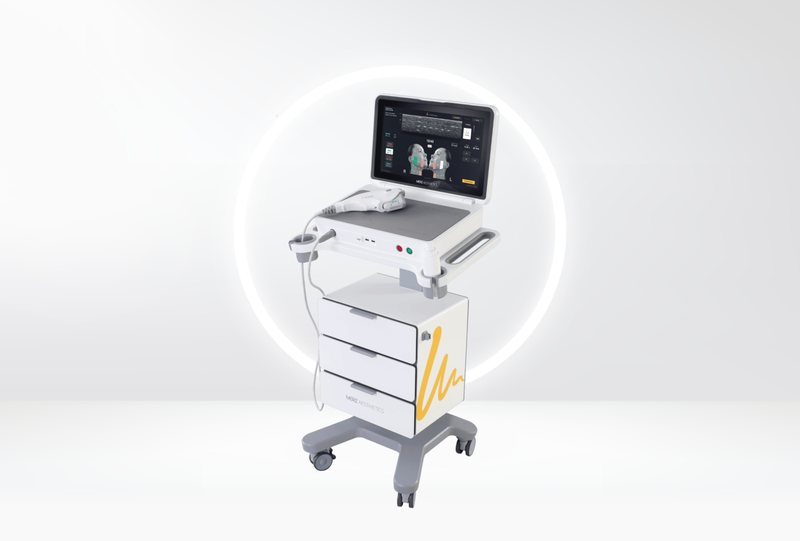
Ultherapy uses micro-focused ultrasound to reach the SMAS at 4.5mm — the deep
fibromuscular layer that a surgical facelift repositions. It is the appropriate choice where the
concern is descent: a softening jawline, a heavy lower face, brow drop.
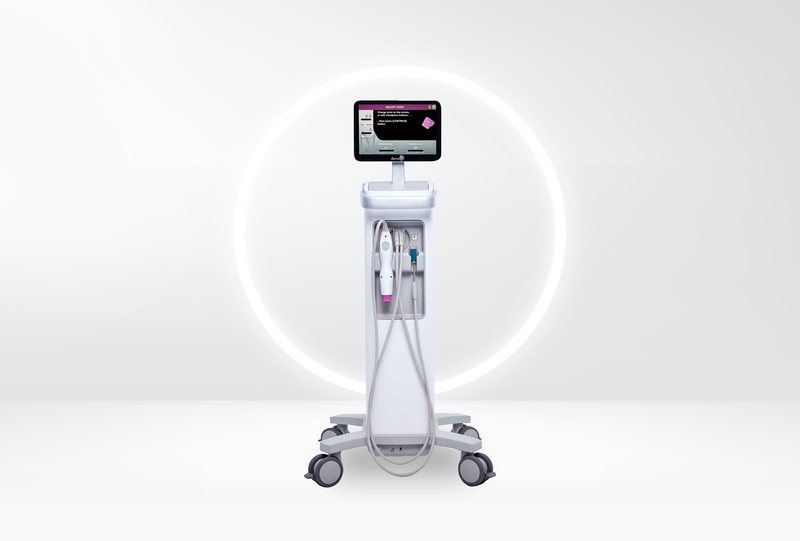
Thermage uses monopolar radiofrequency to heat a broad volume of dermis rather
than discrete focal points. It suits overall laxity, crepey texture and pore appearance, and it
covers the full face in a single session.
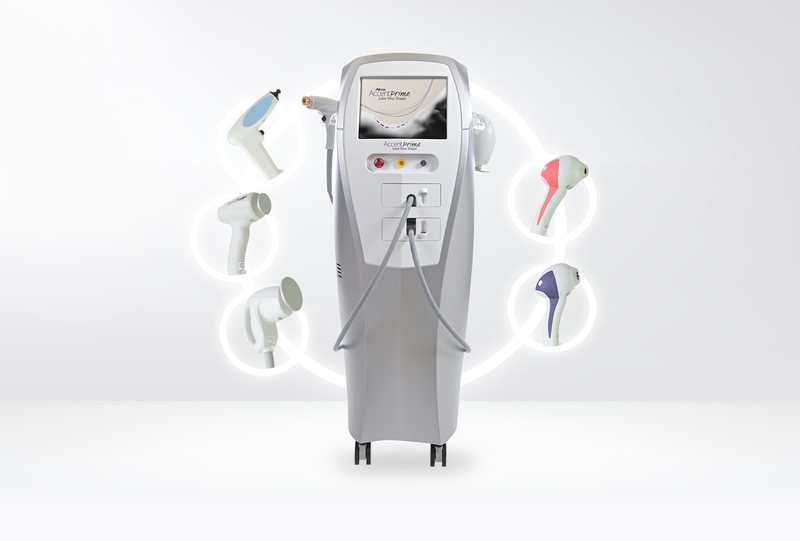
Tuneface operates at 40.68MHz with an added ultrasound component, and is
delivered against a 3D scan of your own facial map. It sits usefully between the other two and is
frequently used to reduce the dose required from either.
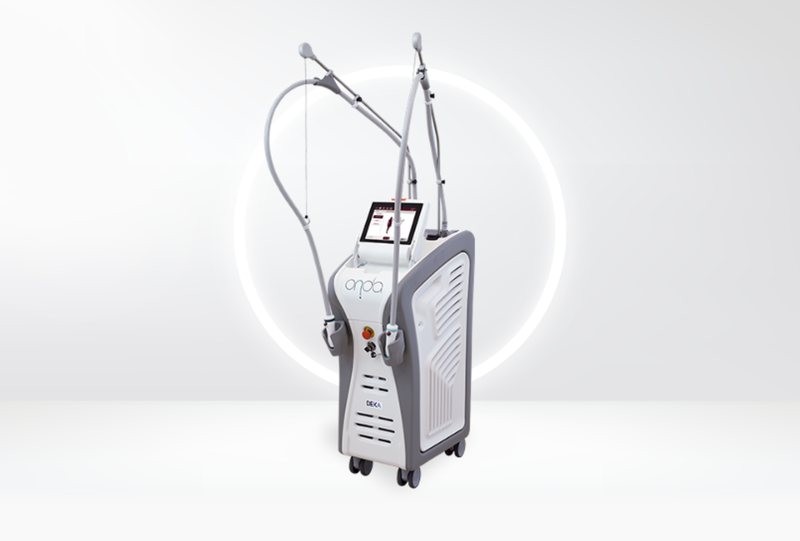
Onda uses microwave energy at a frequency absorbed preferentially by the fat
layer, with contact cooling holding the surface down. It addresses localised fullness rather than
descent, which is where the other three are weakest.
In practice most patients over 35 do not need one of these — they need a sequence. The
consultation exists to establish which, in what order, and at what interval.