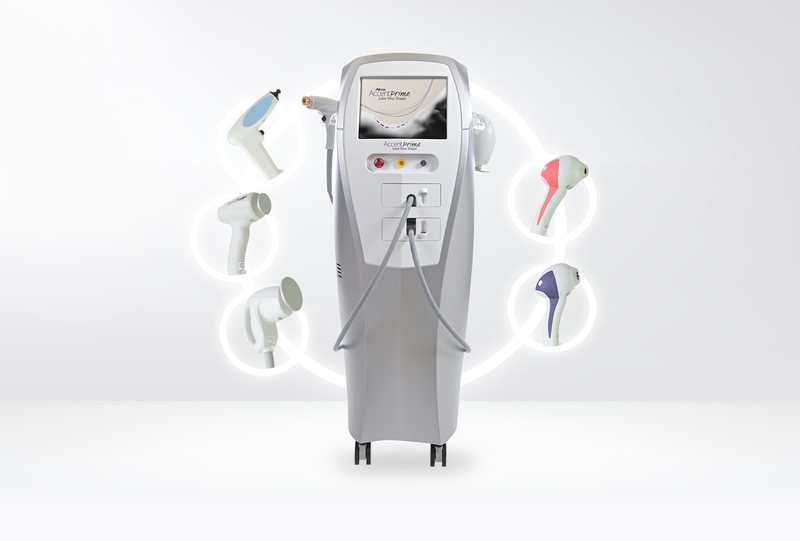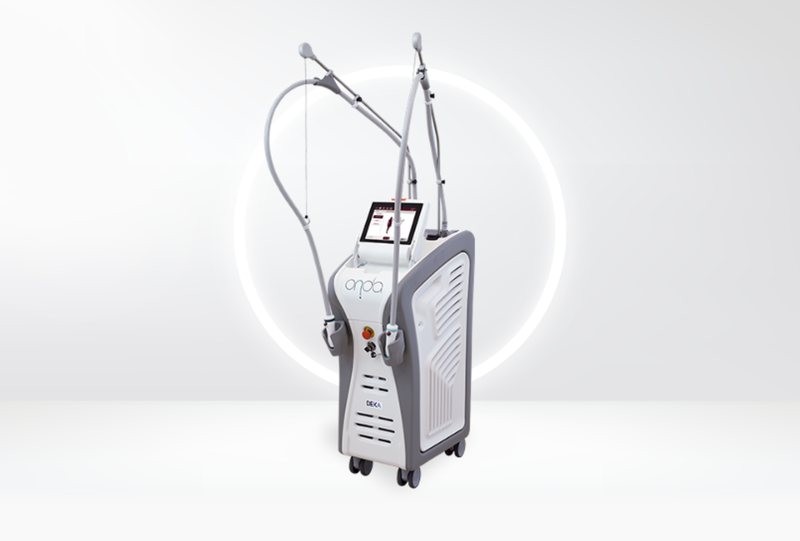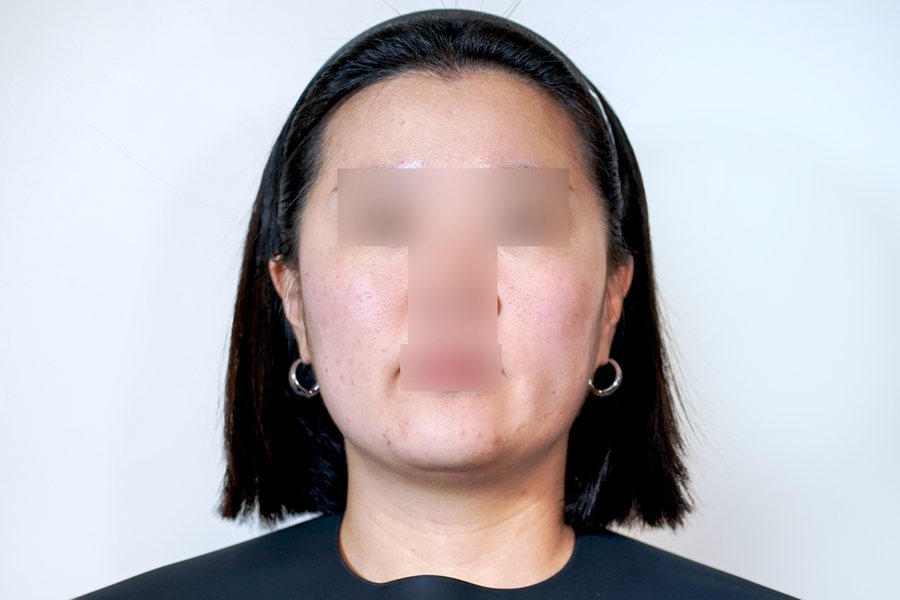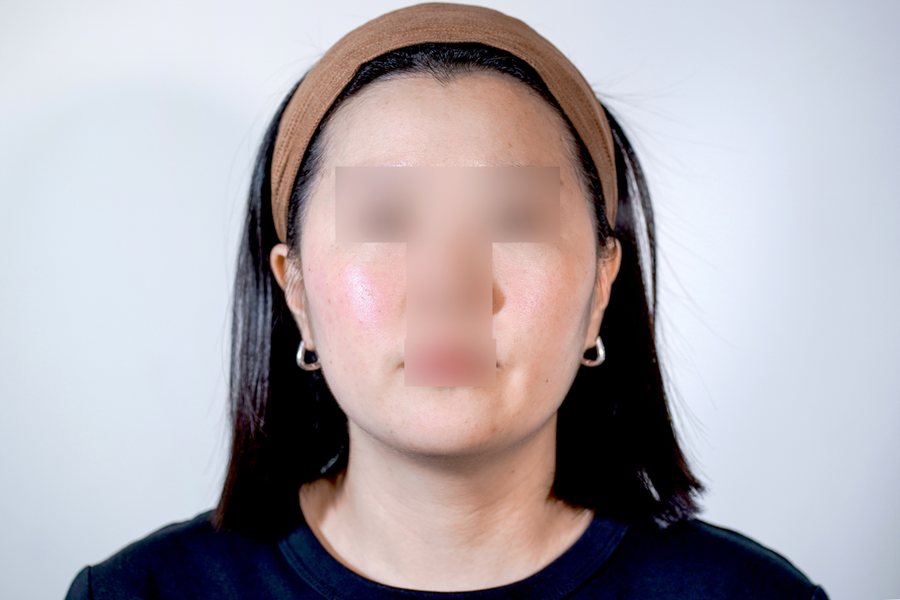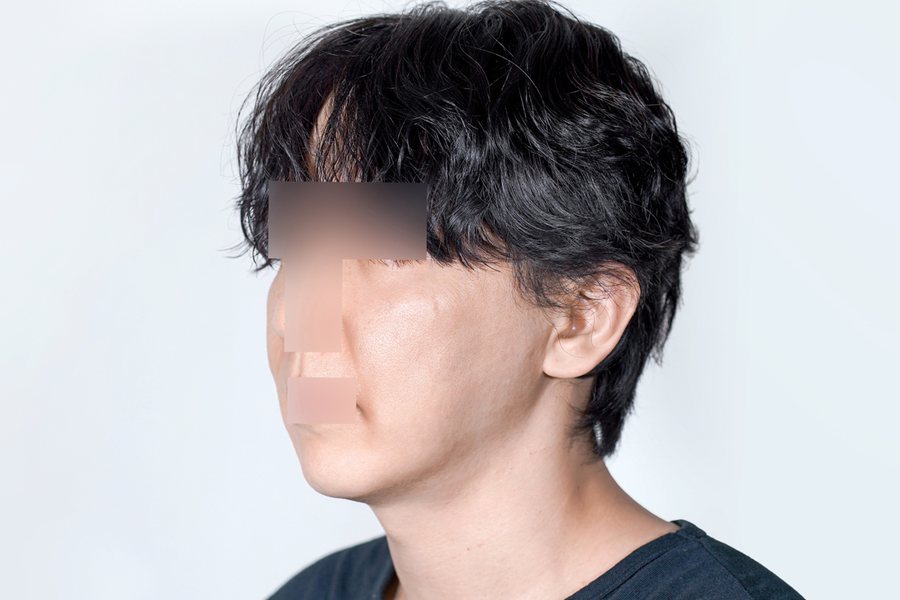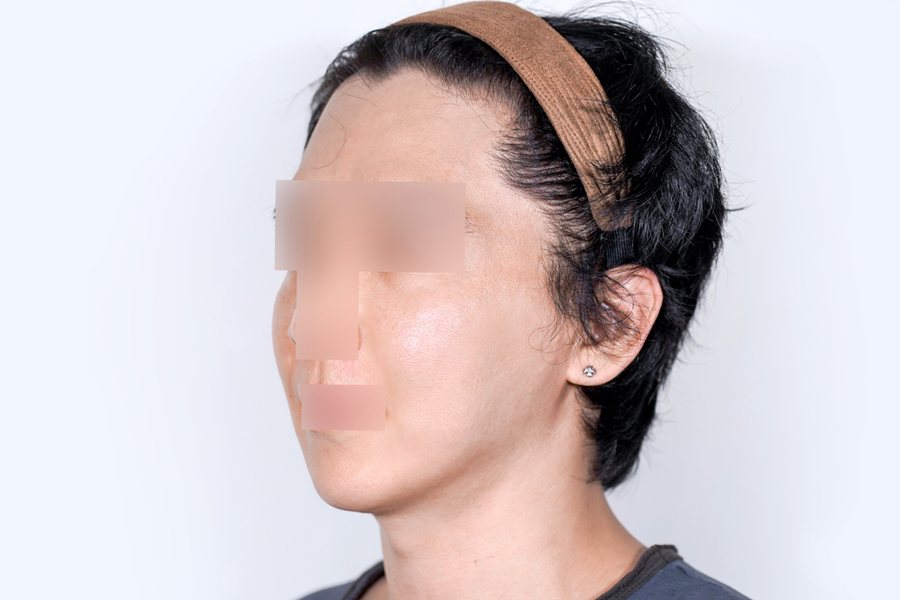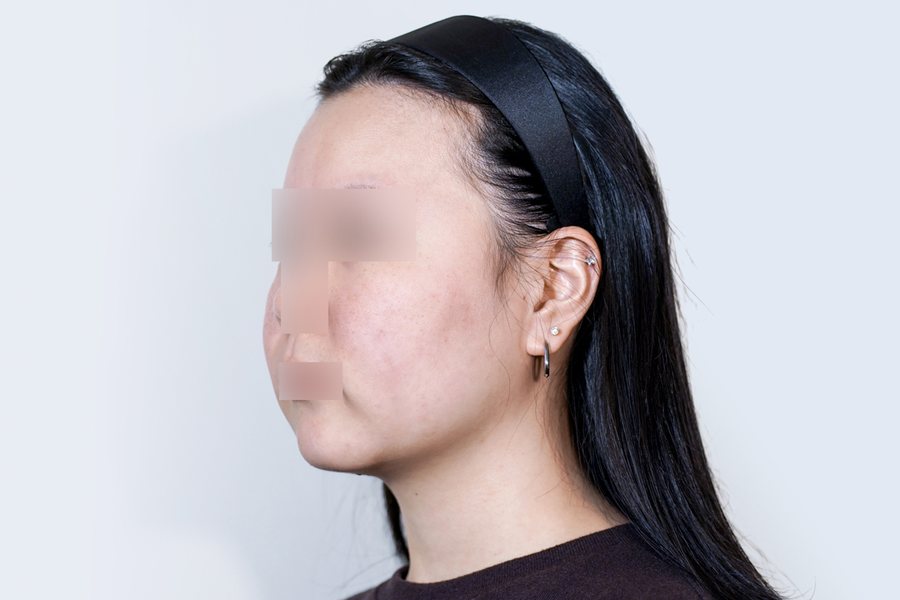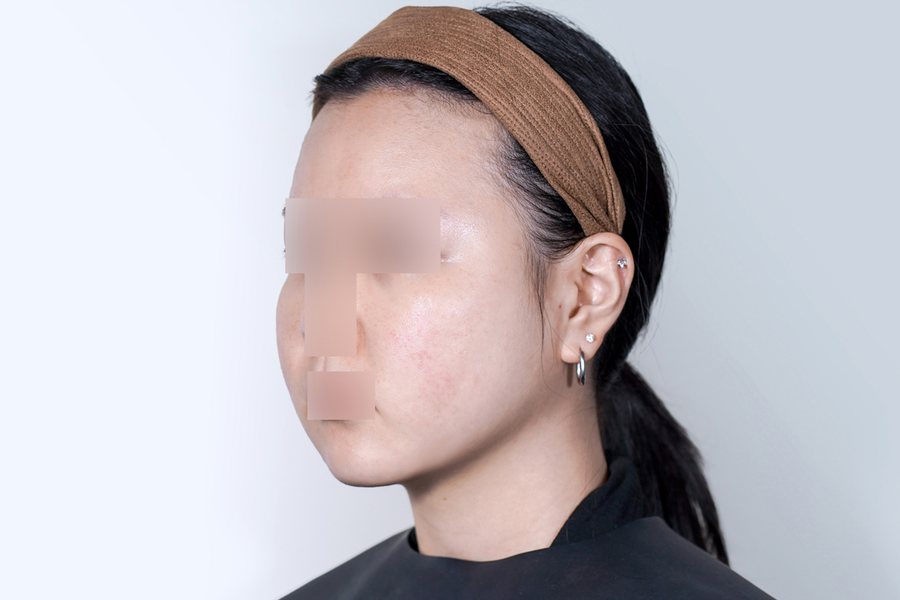
Korea is one of the best places in the world to get Q-Switch laser treatment. Clinics in Seoul use advanced technology and follow high safety standards, making it a popular choice for medical tourists. Whether you want to remove pigmentation, treat melasma, or brighten your skin, Korea offers excellent results at competitive prices.
What is Q-Switch Laser?
Q-Switch laser is a non-invasive skin treatment that uses short, powerful pulses of light to break down pigment in the skin. It targets dark spots, tattoos, and uneven skin tone without damaging the surrounding tissue. The procedure is fast, well-tolerated, and suitable for most skin types.
- Reduces dark spots and hyperpigmentation – The laser breaks down melanin deposits that cause uneven skin tone.
- Minimal downtime – Most patients return to daily activities the same day or within 24 hours.
- Safe for Asian skin tones – Korean clinics have extensive experience treating East Asian skin, reducing the risk of post-treatment darkening.
Types of Q-Switch Laser Offered in Korea
Korean clinics offer several versions of Q-Switch laser technology, each suited to different skin concerns.
- Q-Switch Nd:YAG Laser – The most common type. It works on brown spots, sun damage, melasma, and tattoo removal. It uses two wavelengths (1064nm and 532nm) to target different depths of pigment.
- Q-Switch Ruby Laser – Uses a 694nm wavelength, making it highly effective for stubborn pigmentation like nevus of Ota and deep-set spots. Less commonly available but offered in specialized clinics.
- Pico Laser (Picosecond Q-Switch) – A newer generation that fires pulses even faster than traditional Q-Switch lasers. It gives quicker results with less heat, making it ideal for sensitive skin and fine pigmentation. To understand how different pico technologies compare, you can see details on advanced options available in Seoul clinics.
- Toning Treatment (Low-Fluence Q-Switch) – A gentle version used in a series of sessions to brighten overall skin tone and reduce melasma gradually. Very popular in Korea for skin whitening.
Why Choose Korea for Q-Switch Laser?
- Highly experienced dermatologists – Korean skin specialists treat thousands of pigmentation cases every year, giving them deep expertise with this laser. Many clinics employ expert dermatologist seoul treatment specialists who have trained internationally.
- Latest technology – Clinics in Seoul regularly update their equipment, offering the most current Q-Switch and Pico laser devices.
- Affordable pricing – Treatment costs in Korea are significantly lower than in the US, UK, or Australia, even at top-tier clinics.
- Tailored skin care culture – Korea places a very high value on skin health. Clinics provide detailed aftercare plans and follow-up consultations as standard.
- Convenient for medical tourists – Seoul’s Gangnam district has hundreds of leading gangnam dermatology centers within walking distance, many with English-speaking staff.
Cost of Q-Switch Laser in Korea
Prices vary depending on the type of laser, the area being treated, and the number of sessions needed. Below are typical price ranges you can expect.
- Single Q-Switch Nd:YAG session (face) – ₩50,000 to ₩150,000 (approximately $38 to $115 USD)
- Laser toning package (5–10 sessions) – ₩300,000 to ₩700,000 (approximately $230 to $535 USD)
- Pico laser single session (face) – ₩150,000 to ₩400,000 (approximately $115 to $305 USD)
- Tattoo removal per session – ₩100,000 to ₩500,000 (approximately $77 to $385 USD) depending on tattoo size and ink color
Many clinics offer package deals that reduce the per-session cost significantly. Always confirm what is included in the price before booking. Some practices also bundle Q-Switch treatments with complementary procedures like skin tightening korea for comprehensive facial rejuvenation at discounted rates.
What to Expect During and After
A typical Q-Switch laser session takes between 15 and 30 minutes. Before starting, the clinician will clean your skin and may apply a numbing cream if needed. During the treatment, you will feel a snapping or warm sensation on the skin. Most patients describe it as mildly uncomfortable but not painful. For those interested in combining treatments, prp in korea procedure options are often recommended post-laser to enhance skin healing and rejuvenation.
After the session, the treated area may look slightly red or feel like mild sunburn. This usually fades within a few hours to a day. Tiny dark spots may crust over and flake off within one to two weeks — this is a normal part of the healing process. You should avoid direct sun exposure and apply sunscreen daily after treatment.
Follow-up and Results
Most pigmentation concerns require between three and eight sessions for full results, spaced two to four weeks apart. Skin brightening from laser toning may show after just one or two sessions, though lasting improvement builds over time. Your dermatologist will assess your progress and adjust the treatment plan as needed.
Results can last for months to years depending on your sun protection habits and skincare routine. Using a high-SPF sunscreen every day is the single most important thing you can do to maintain your results after Q-Switch laser treatment.
Conclusion
Q-Switch laser treatment in Korea combines advanced technology, skilled practitioners, and affordable pricing into one of the best cosmetic experiences available to medical tourists. Whether you are targeting melasma, sun spots, or tattoo removal, Seoul’s dermatology clinics are well-equipped to deliver safe, effective results. With competitive package prices and a strong culture of skin care, Korea remains a leading destination for this treatment.
Ready to book your Q-Switch laser consultation in Korea? Contact us on WhatsApp for free advice on clinics, pricing, and how to plan your treatment trip to Seoul. Our team is happy to answer your questions and help you get started.